Wholesale Billing Software for Wholesale Distribution
Wholesale distribution companies process thousands of invoices, payments, and orders. When billing software, accounting software, and inventory tools live in separate systems, finance teams spend their time correcting invoices instead of managing the business. Sage Intacct configured for wholesale distribution brings orders, invoices, payments, and financial reporting into one system so finance leaders regain control of billing operations and financial data.
We will review your billing workflow and show how wholesale distributors manage invoices, payments, and financial reporting in Sage. No hard pitch.
Billing Gets Harder as Wholesale Distribution Businesses Grow
Many wholesale distribution companies outgrow their accounting software. As order volume increases, invoices, payments, and financial data spread across systems, and teams spend more time assembling reports than using them. Billing starts to feel reactive instead of controlled.
Signs Your Wholesale Distribution Company Has Outgrown Basic Accounting Software
Finance teams often notice the same warning signs as billing complexity increases:
Invoice Delays
Invoices take longer to generate as order volume grows
Manual Payment Tracking
Payment tracking depends on spreadsheets or manual logs
Delayed Financial Reports
Leaders wait for reports while teams reconcile financial data across several systems
Disconnected Inventory
Inventory activity and order management operate outside accounting systems
Fragmented Financial Data
Financial reporting contains gaps because operational and financial data do not live in the same platform
Why Generic Billing Software Breaks Down in Wholesale Distribution
Wholesale distributors manage pricing agreements, price lists for retail stores, and high order volume across many customers. Generic invoicing software was designed for simpler environments. Finance teams constantly correct invoices after they have already been sent. Payments are tracked manually across spreadsheets or separate systems. Financial data requires reconciliation across disconnected accounting systems. Billing turns into a daily repair task instead of a stable, repeatable process.
Sage-Based Wholesale Billing Software Built for Wholesale Distribution
Sage Intacct implemented by BCS ProSoft gives wholesale distributors a billing system designed for the operational complexity of distribution. With wholesale billing software built for distribution, teams operate from one system:
Unified Platform
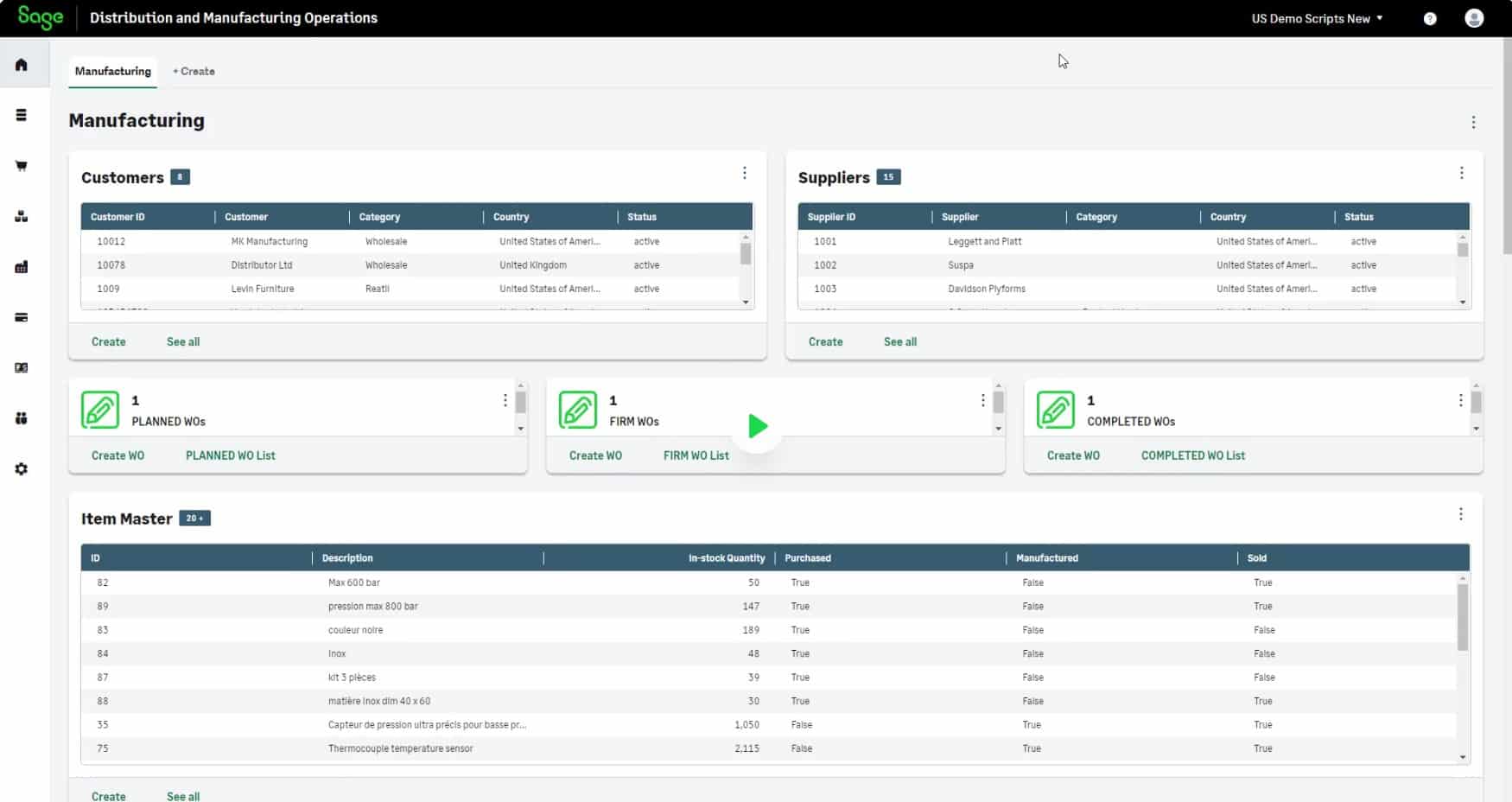
Orders, invoices, payments, inventory activity, and financial reporting exist in one platform
Spreadsheet-Free Billing
Finance teams manage billing and payment tracking without relying on spreadsheets
Connected Operations
Operations teams manage order processing and inventory activity within the same system
Real-Time Financial Data
Leadership reviews financial data without waiting for manual reconciliation or stitched reports
Wholesale Billing Software Platform Benefits
One System for Billing, Accounting Software, and Financial Data
Wholesale distributors often run several disconnected tools to manage billing, accounting systems, and inventory. A unified platform places invoices, payments, and financial reporting inside the same environment. Finance teams maintain control of the billing process while leadership reviews financial reports tied directly to operational activity.
Real-Time Visibility Into Orders, Payments, and Inventory
Leadership teams rely on financial data to understand business performance. With reporting connected to orders, invoices, and inventory activity, teams gain insights into revenue and operational patterns. Finance teams monitor payments and cash flow while operations teams track products and order processing across warehouses.
Core Capabilities of Sage Wholesale Billing Software
Wholesale distributors need billing software that works alongside accounting software, order management, and inventory management. Sage supports these capabilities inside one platform so teams manage high-volume invoices, payments, and financial reporting without jumping between systems.
Order Management for High-Volume Wholesale Transactions
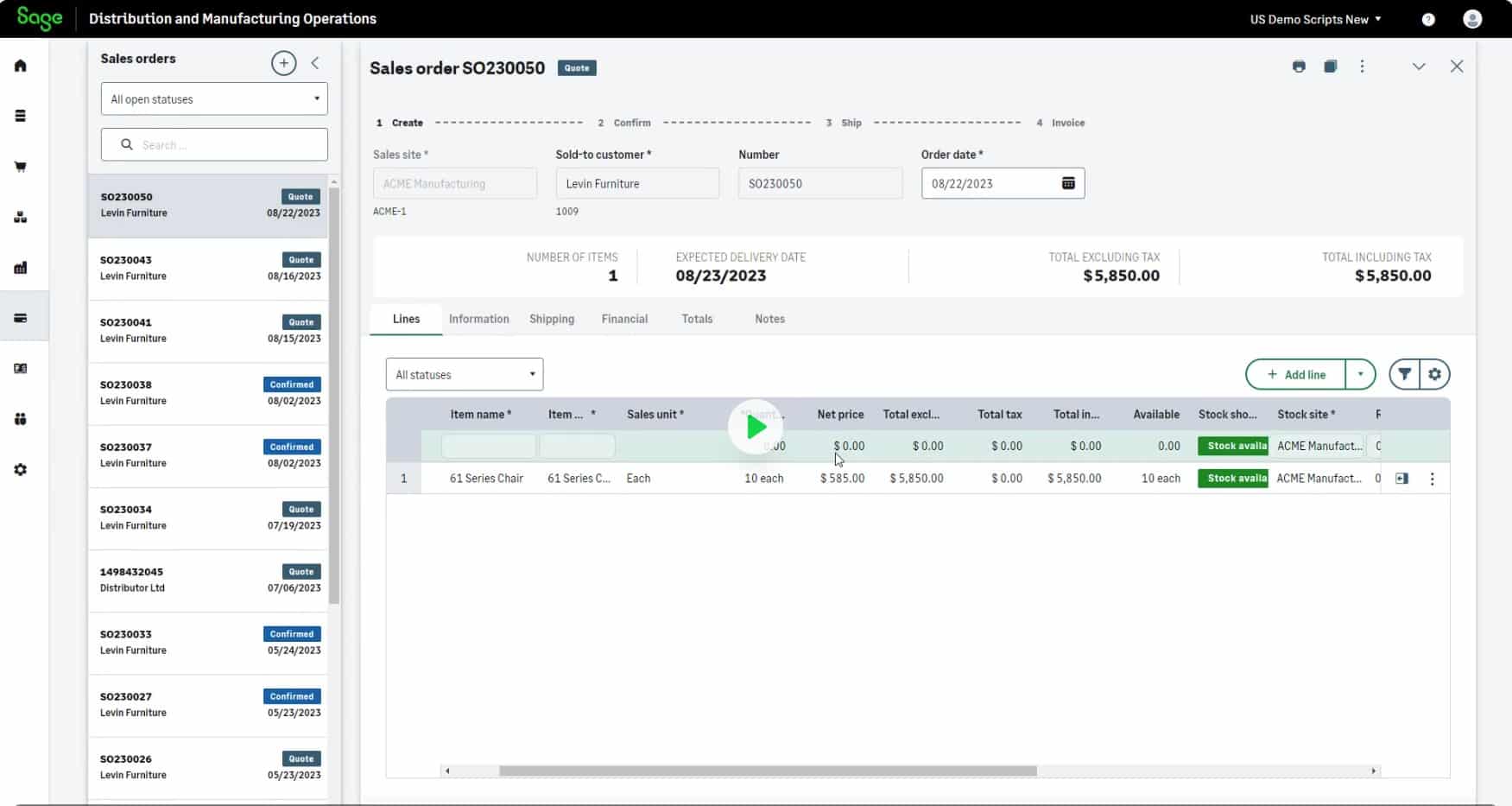
Wholesale distributors process large order volume across retail stores and wholesale buyers. Order management connects order entry, order processing, product availability, and billing workflows. Finance teams track the financial side of each order while operations teams monitor fulfillment and product movement.
Automated Billing and Professional Invoices
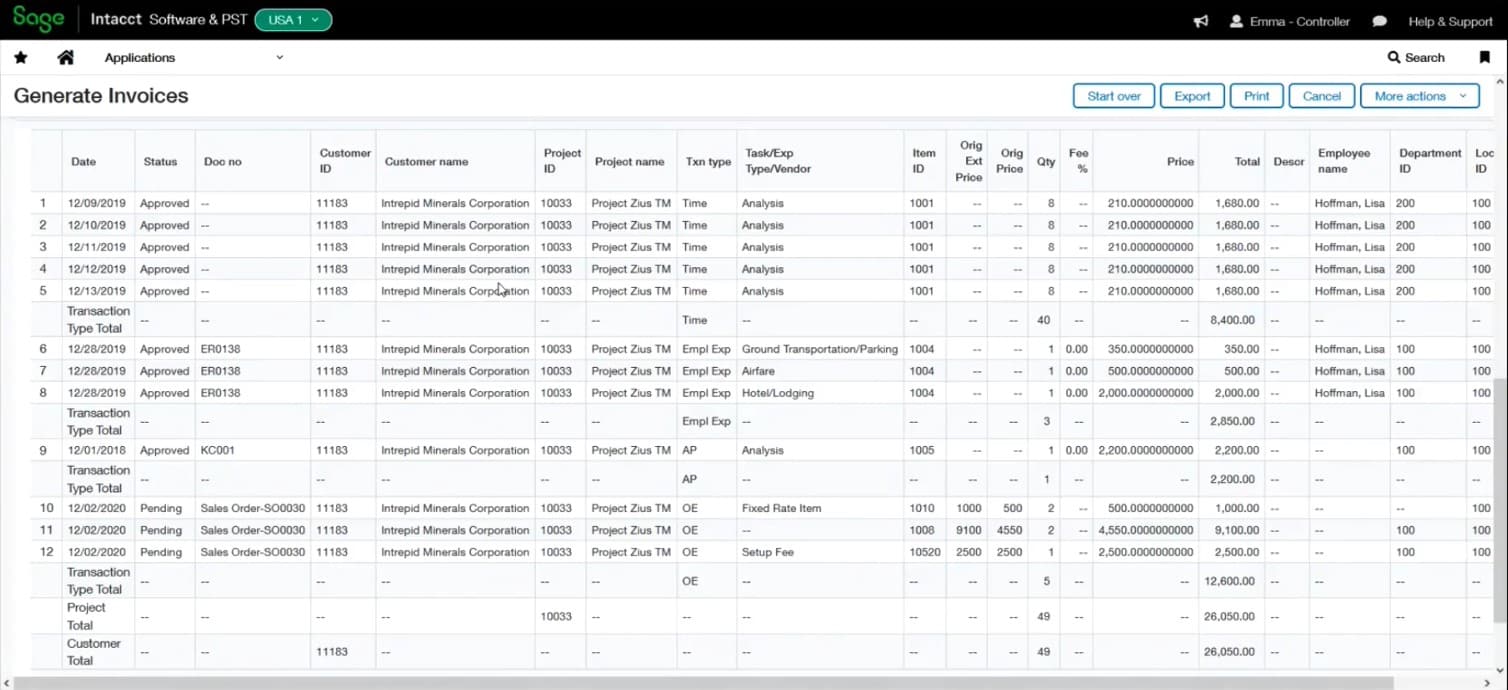
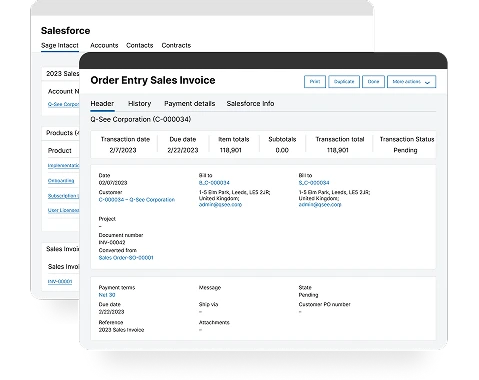
Billing software generates invoices directly from completed orders and pricing agreements. Finance teams send invoices faster while maintaining accurate pricing across price lists and customer accounts. Professional invoices allow customers to review order details clearly and maintain confidence in billing accuracy.
Payment Tracking and Payment Visibility
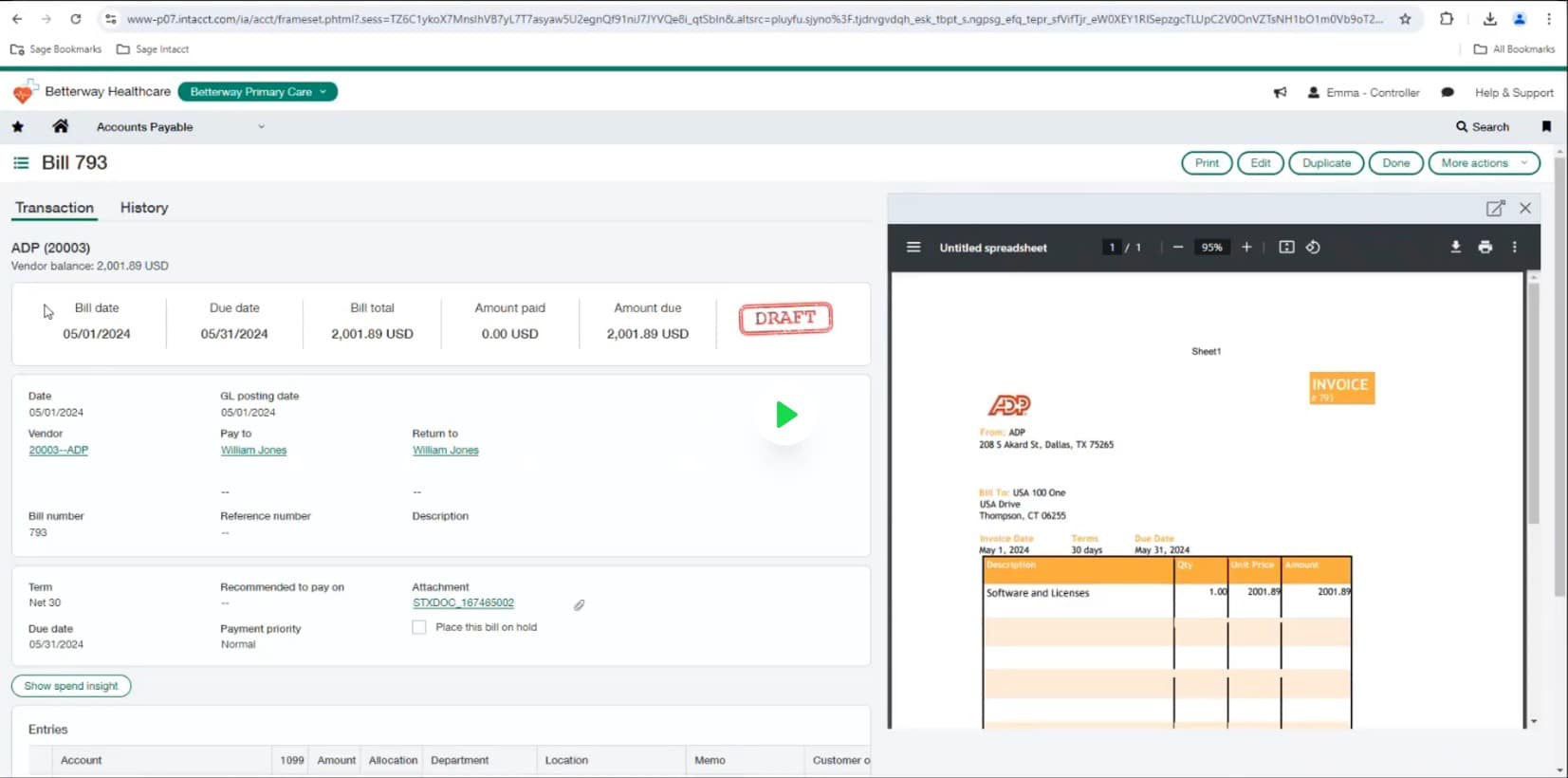
Finance teams monitor payments across wholesale buyers and customer accounts. Payment tracking provides visibility into incoming payments, overdue invoices, and payment status across customers. Leaders gain a clearer view of cash flow while teams maintain accurate payment records.
Inventory Management Across Multiple Locations
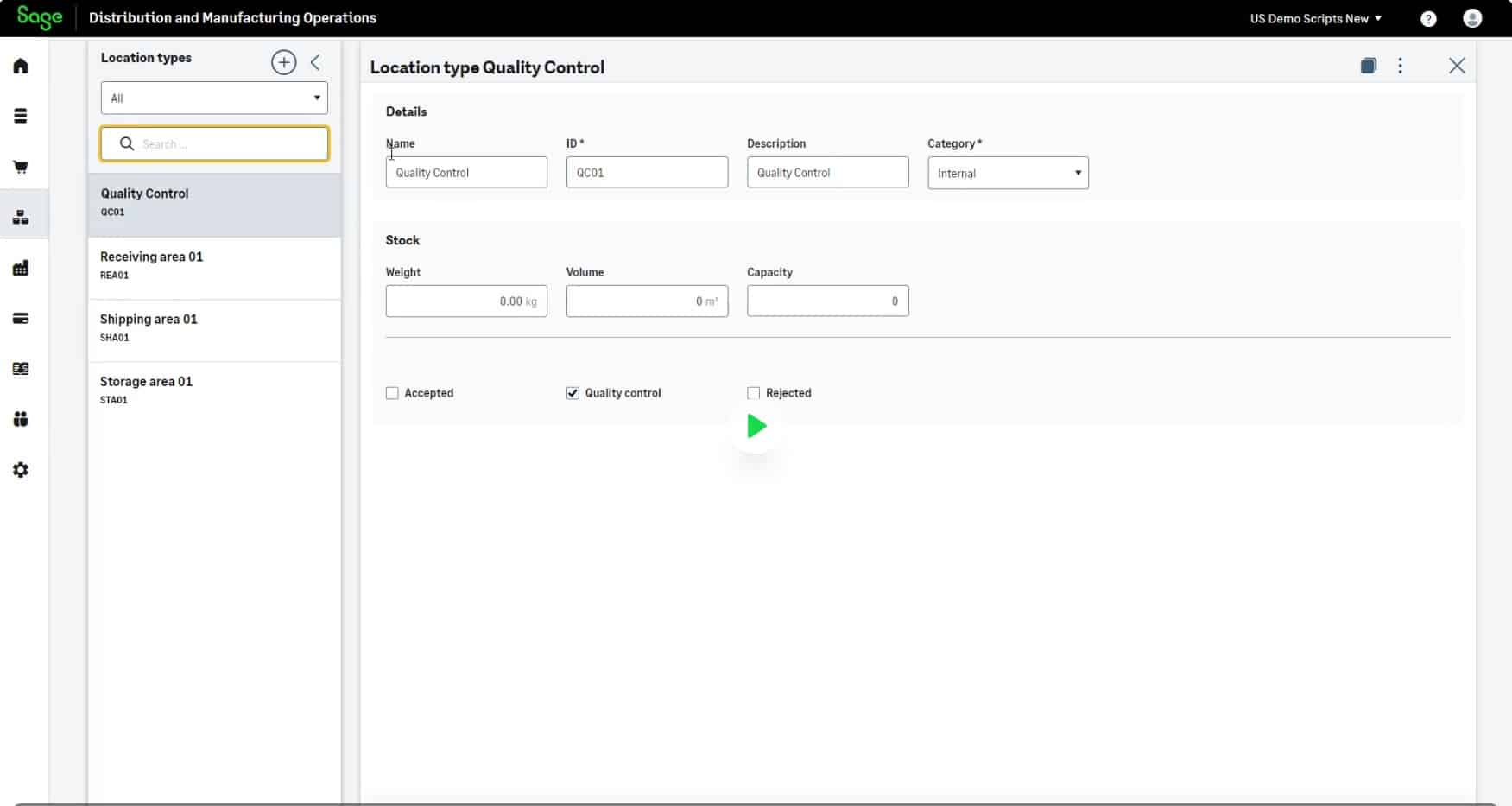
Wholesale distribution companies often operate warehouses and several locations. Inventory management allows teams to track products across locations while connecting product activity to billing and financial reporting. This visibility helps leaders review inventory levels and carrying costs.
Customer-Specific Pricing and Price Lists
Wholesale distributors maintain pricing agreements across customers and retail stores. Customer-specific pricing and price lists help finance teams maintain accurate pricing across invoices and orders. Accurate pricing reduces billing disputes and strengthens relationships with customers.
Revenue Recognition and Financial Reporting
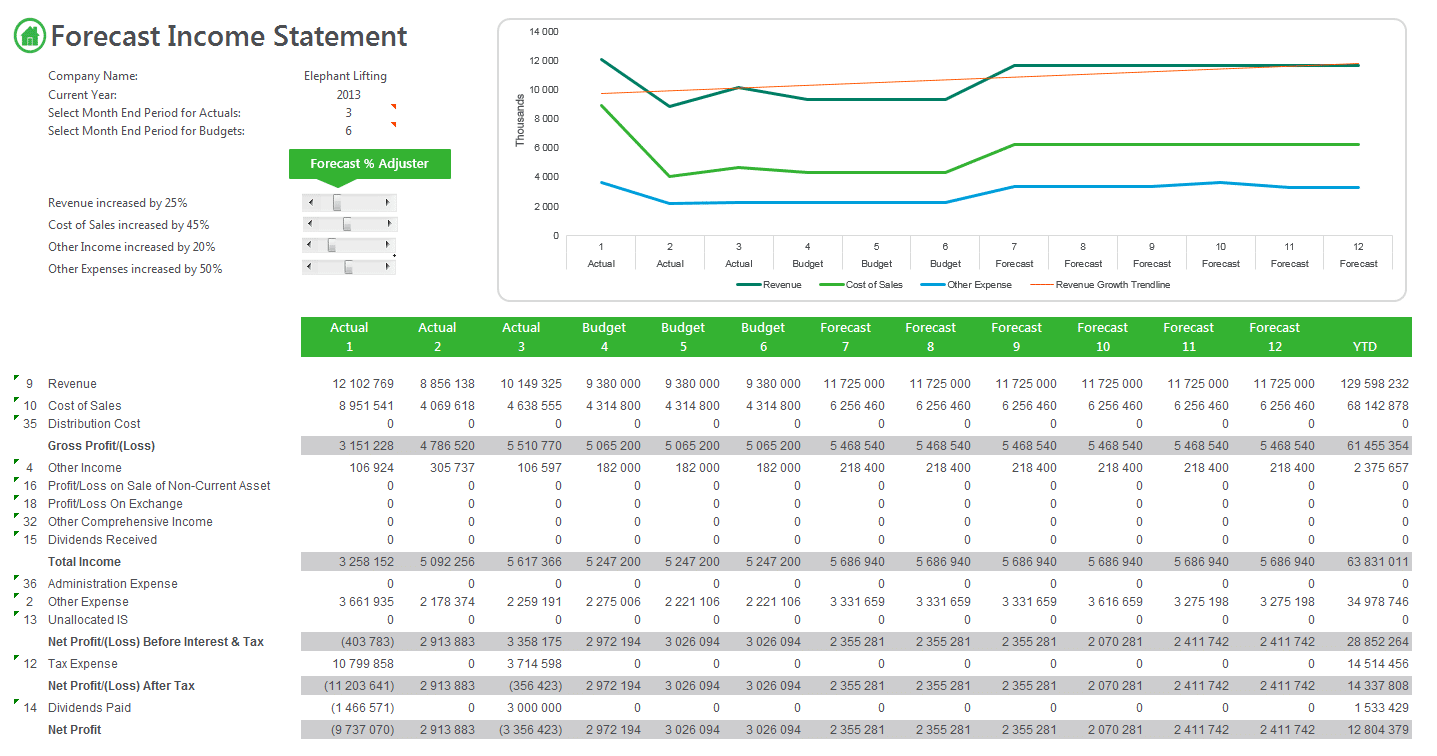
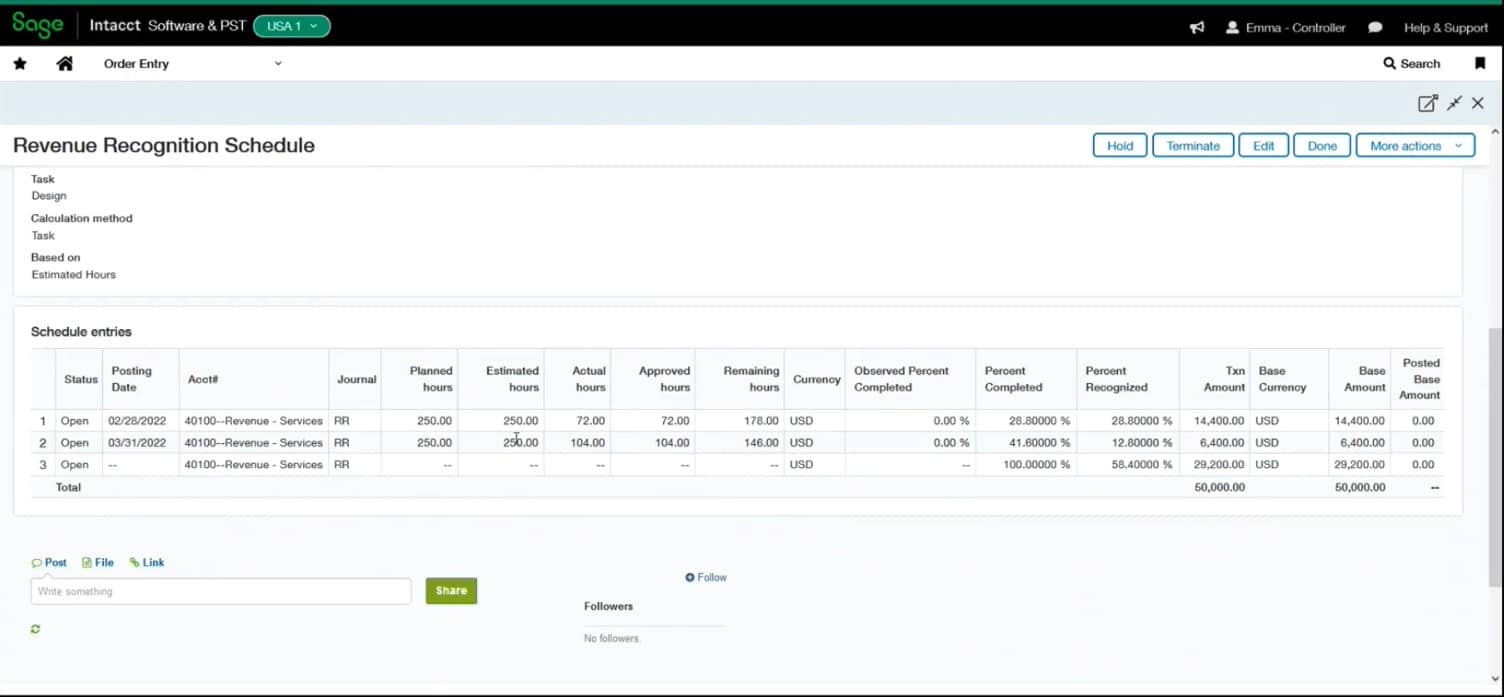
Billing activity connects directly with accounting software and revenue recognition. Finance teams review financial data tied to orders, invoices, and payments through reporting tools that connect operational activity with financial outcomes.
Tax Compliance and Tax Calculations
Wholesale distributors operating across regions must manage tax obligations carefully. Billing software records tax details across invoices and transactions so finance teams maintain consistent tax calculations across the business.
How Wholesale Billing Software Improves Cash Flow
Billing accuracy and payment tracking directly affect cash flow. When invoices are generated quickly and payments are tracked inside the same system, finance teams maintain clearer oversight of incoming revenue, wholesale distributors gain confidence in their financial data, and leadership monitors financial performance across the business with greater clarity.
Reduce Overdue Invoices With Payment Reminders
Payment reminders notify customers when invoices approach their due date. These reminders help finance teams follow up on overdue invoices without relying on manual outreach. Payment tracking allows teams to review payment activity across accounts.
Track Payments Across Distribution Operations
Finance teams monitor payments across customers, invoices, and locations through a centralized system. Leaders gain visibility into payment activity and revenue patterns while reviewing financial reports connected to billing data.
Gain Insights Into Orders, Sales, and Financial Data
Reporting tools allow leaders to review orders, sales activity, invoices, and payments across the organization. Finance teams analyze financial data tied to operational activity so leadership understands business performance clearly.
Reduce Carrying Costs With Inventory Visibility
Inventory visibility helps wholesale distributors understand product movement across warehouses and locations. When inventory management connects with order management and billing data, leaders gain clearer insight into purchasing decisions and carrying costs.
Wholesale Distribution Businesses That Use Billing Software Like This
Wholesale billing software supports several types of distribution environments: companies supplying retail stores with ongoing orders and invoices, distribution businesses managing high order volume across customers, and organizations operating across multiple locations.
Wholesale Distribution Companies Supplying Retail Stores
Distributors supplying retail stores manage recurring orders, invoices, and payments across many customer accounts. Billing software helps finance teams track invoices, monitor payments, and maintain pricing agreements across retail relationships.
Distribution Businesses Managing High Order Volume
Growing distribution businesses often see invoice volume increase quickly. Billing software supports these environments by maintaining visibility across invoices, payments, and financial data.
Organizations With Multiple Locations or Entities
Wholesale distribution companies operating across several locations need oversight across invoices, payments, and financial reporting. Multi-entity management allows leaders to review financial performance across the organization within one system.
What Changes When Wholesale Billing Runs Inside One System
Before
Finance teams spend hours correcting invoices and reconciling billing data
Payment tracking requires spreadsheets or manual follow-up
Financial reports arrive late because data must be gathered from several systems
Leaders struggle to see financial performance across locations
After
Finance teams reclaim time previously spent fixing invoices
Payment tracking becomes visible inside the billing system
Financial reporting reflects orders, invoices, and payments in one place
Leadership gains clearer insight into performance across the organization
Implementation Timeline for Sage Wholesale Billing Software
Implementing wholesale billing software requires coordination across finance, operations, and technology teams: configuration of billing workflows, pricing structures, and financial reporting; data migration from existing accounting systems into the new platform; and training for finance, sales, and operations teams to manage invoices, payments, and reporting.
System Configuration and Financial Setup
Consultants configure billing workflows, pricing rules, and financial reporting according to each company’s distribution model.
Integration With Existing Systems and Payment Platforms
The platform connects with existing systems such as CRM platforms and payment gateways used by the organization.
Training Teams Across Finance, Sales, and Operations
Finance, sales, and operations teams receive structured training so staff manage invoices, payments, and orders confidently within the system.
Frequently Asked Questions
Why does my business need wholesale distribution management and accounting software?
Wholesale distributors manage large numbers of invoices, payments, and product orders. Accounting software designed for smaller businesses often struggles to keep financial data aligned with order activity. Systems designed for wholesale distribution connect billing, inventory management, and financial reporting so teams maintain visibility across the business.
How do I improve wholesale distribution accounting processes?
Many wholesale distributors improve accounting processes by replacing disconnected accounting systems and spreadsheets with a unified system that connects billing, orders, invoices, and financial reporting. Finance teams monitor payments, maintain pricing accuracy, and review financial data without manual reconciliation.
How long does implementation take?
Implementation timelines vary based on company size, data complexity, and integration requirements. Many wholesale distribution organizations begin using core billing and financial capabilities within several weeks after configuration and training.
How does wholesale billing software help improve cash flow?
Cash flow improves when invoices are generated quickly and payments are tracked consistently. Billing software helps finance teams monitor invoices, send reminders to customers, and review payment activity so leaders understand incoming revenue clearly.
Can wholesale billing software support multiple locations and entities?
Many wholesale distribution companies operate warehouses and locations across different regions. Modern wholesale billing systems allow finance teams to track invoices, payments, and financial data across multiple entities and locations within the same platform.