
You can usually feel when a project starts to drift, and it rarely comes from one big issue. It builds through change orders that move through email, spreadsheets, and side conversations while the project record tells a different story. Deltek Vantagepoint places change orders inside the same project record that drives billing, revenue, and financial reports, so every update is reflected in how the project is actually performing.
We will walk through your current setup and show how it would run inside Deltek. No pressure.
You can usually feel when a project starts to drift, and it rarely comes from one big issue. It builds through change orders that move through email, spreadsheets, and side conversations while the project record tells a different story. Deltek Vantagepoint places change orders inside the same project record that drives billing, revenue, and financial reports, so every update is reflected in how the project is actually performing.
We will walk through your current setup and show how it would run inside Deltek. No pressure.
Most teams have a way to track change orders. The challenge shows up once those changes start moving through the project and need to stay aligned across teams, approvals, and financials. Here are some common reasons change orders break down across the project:
Change orders are tracked in spreadsheets, static cor logs, or project management software that sits outside the financial system. Project teams track one version, finance tracks another, and stakeholders are left trying to piece together what is actually approved. This disconnect introduces errors and weakens project control.
The cost impact of change orders does not always show up when decisions are being made. It appears later in financial reports, after the project budget and revenue have already shifted. Without real time visibility, teams are managing the project without a clear picture of its current position.
The approval process depends on manual follow-ups, scattered communication, and unclear ownership. Change orders sit with trade contractors, general contractors, or internal stakeholders while teams wait for responses. This creates delays and increases risk across the project.
This is usually where the friction shows up. It is not in tracking the first few change orders. It is what happens once they start moving across the project and need to stay aligned with approvals and financials.
Deltek supports a change order management process that ties daily project activity to financial outcomes, giving teams clarity on where the project stands at any moment.
Every approved change updates the project financials, including revenue, costs, and financial reports. This removes the gap between what is happening on the project and what is reflected in reporting.
Teams can see how change orders affect the project budget and overall performance as they happen. This real time visibility supports better decisions while there is still time to act.
A defined change order management process allows teams to create, document, and track change orders consistently. This reduces errors and keeps project teams aligned on status and next steps.
Change orders move through a structured approval process with clear ownership and visibility. Automated workflows and e-signature help teams approve changes faster and keep projects moving.
All change-order data, documents, and communications are stored within the project record. This gives teams and clients a clear history of approved changes and their impact on the project.
Deltek keeps the entire change order process connected to the project from the moment a change is identified through final reporting.
Teams create and track change orders directly within the project. Each change order request is documented with clear details, making it easier to manage construction change orders without relying on separate tools.
Change orders move through defined workflows that route them to the right stakeholders. Approvals are tracked in one place, improving communication and reducing delays.
Once change orders are approved, updates are reflected across the project budget, revenue, and financial reports. This keeps the project record current without requiring manual updates.

Commissioning and AEC projects require coordination across teams, stakeholders, and clients, with detailed documentation at every stage. Managing construction change orders in this environment requires a system that keeps everything connected.
Project stakeholders need access to accurate information to stay aligned. When change orders are managed within the same system, everyone is working from the same data and decisions are based on a shared understanding of the project.


Trade contractors and general contractors are part of daily project activity. A connected system allows teams to track change orders, manage approvals, and maintain coordination without relying on scattered communication.
Clients expect clear records of what was approved and how it affected the project. Storing change orders and documentation within the project record provides a reliable audit trail.

Many tools focus on tracking change orders as a separate activity. That approach leaves a gap between operations and financial reporting, which makes it harder to understand the true impact of changes.
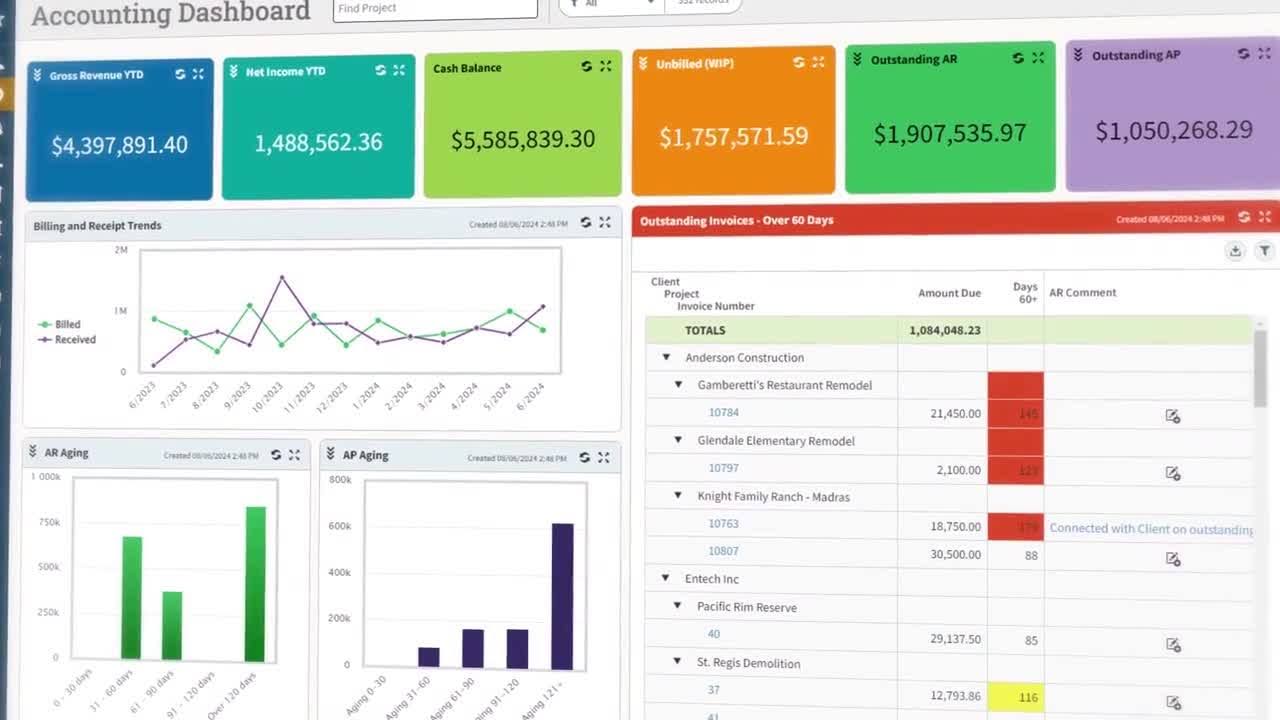
When change orders are part of the same system that manages the project budget and financials, teams do not need to reconcile data across multiple tools. The project record reflects what is happening in real time.
Financial impact is visible as change orders move through the process. This allows teams to manage costs and revenue during the project instead of reacting after reports are finalized.
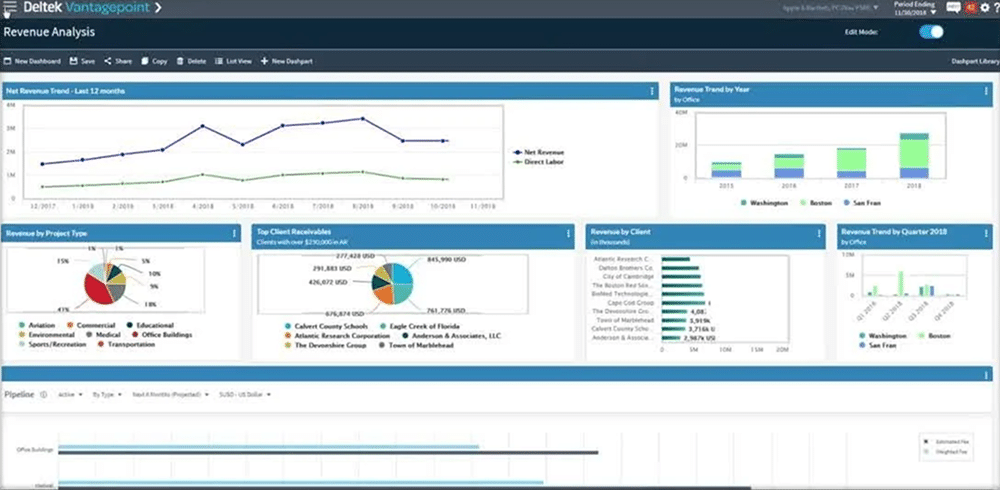
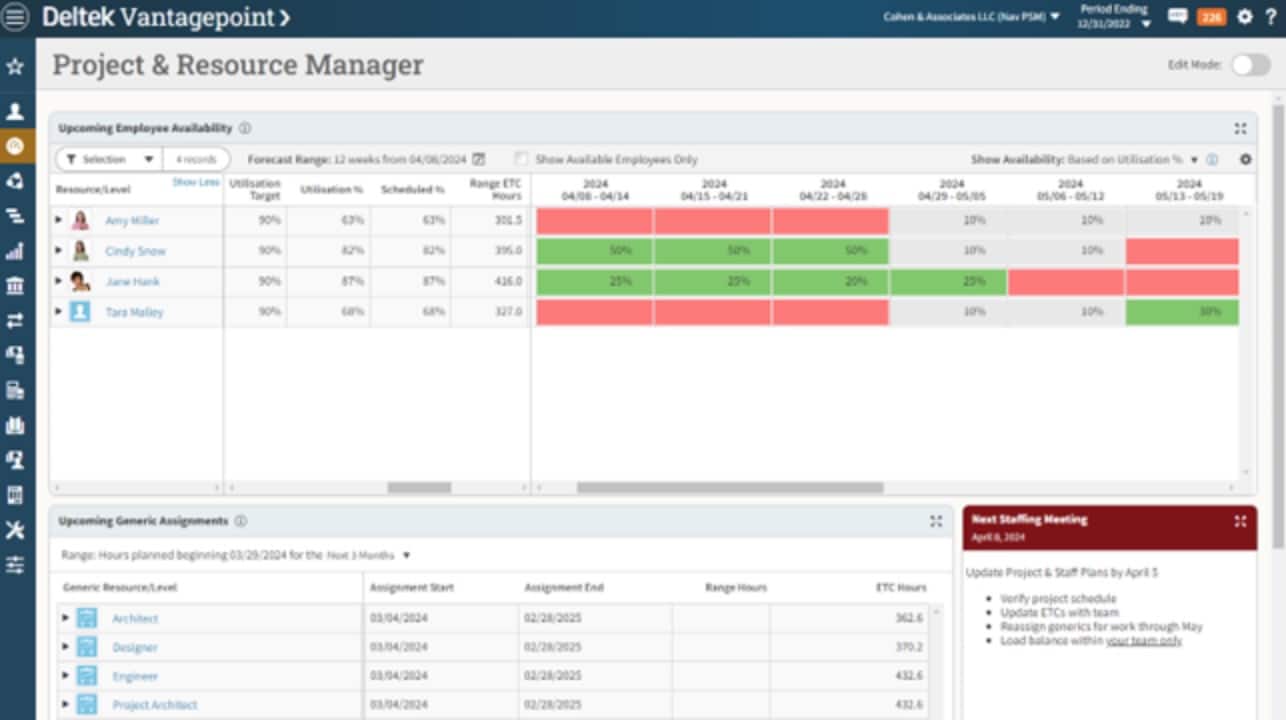
BCS ProSoft works with teams to set up a change order management process within Deltek that fits how their projects run. This helps teams adopt a consistent approach rather than relying on disconnected tools.
When change orders are managed within the same system as project financials, day-to-day project control becomes more predictable and easier to manage.
With visibility into cost impact as change orders are approved, teams can address issues earlier and keep projects closer to their intended budget and schedule.
A defined approval process and centralized communication reduce back-and-forth, leading to faster approvals and fewer errors across teams.
When change orders update project financials as they happen, teams have a clearer understanding of budget, revenue, and risk across the business.

If your team is managing change orders across spreadsheets, emails, and separate tools, it is worth seeing how it works when everything is tied to the project record. We will walk through your current process and show how Deltek handles change orders from request through financial reporting.
No hard pitch. Just a clear view of how your process could work inside one system.
A centralized platform keeps change orders, approvals, and project financials in one place. This gives project teams and stakeholders real-time visibility and reduces errors caused by disconnected systems.
Teams can access change orders from both the field and the office, update status, and keep communication moving so projects do not slow down due to limited access.
Deltek shows how change orders affect the project budget and revenue as they are approved, enabling teams to address cost impacts before they compound.
Approved change orders update the project financials within the same system, so revenue, costs, and reporting stay aligned without manual updates.
Change orders move through defined workflows with clear approvals. Stakeholders can review and approve within the system, which keeps the process visible and reduces delays.