
In the architecture, engineering, and construction world, building specifications are either your best friend or the reason your team is scrambling at the eleventh hour. They’re the glue that holds together the intent of the design and the reality of construction. Done right, they keep everyone on the same page. Done poorly, they become a breeding ground for disputes, RFIs, and misinterpretations that derail progress.
If you’ve ever stood on-site watching a crew install the wrong type of insulation—or worse, the wrong HVAC unit—because the spec was vague or missing, you know exactly what I’m talking about.
This guide skips the fluff. We’re covering what building specifications are, how they function on real projects, the main types, who’s responsible for writing them, and how to make them better (hint: it’s not about making them longer). We’ll also look at how Deltek Vantagepoint helps keep your specs aligned with your project data.
What Are Building Specifications in A&E (and Who Handles Them?)
Building specifications, also known as construction specifications or just “specs,” are written directions that explain what materials should be used, how they should be installed, and what standards they must meet. These live alongside architectural drawings to guide the contractor on what to build and how to build it.
They’re not suggestions. They’re contractually binding documents. And if they’re vague or outdated? Good luck holding anyone accountable when your floor system fails inspection.
So, who writes them?
In smaller firms, it might be the architect or project engineer. Larger firms often have dedicated professional specification writers. In design-build environments, general contractors may weigh in heavily. No matter who drafts them, they require collaboration—designers, engineers, code consultants, sustainability experts, and yes, the client, all contribute.
Why Are Building Specifications Important?

Here’s the blunt truth: If you don’t write clear, accurate, and enforceable specifications, your project becomes a free-for-all. Construction crews fill in the blanks however they see fit, subs use whatever material they’ve got in the truck, and when something goes wrong, everyone blames the specs—or the lack of them.
Specifications matter because they:
- Define structural and performance requirements clearly
- Eliminate ambiguity between disciplines
- Set quality standards the team can reference when something is questioned on-site
- Serve as protection in disputes or claims
- Reduce risk by closing gaps before construction begins
Think of your specs as a field manual. When a project manager, general contractor, or inspector opens that binder, they should immediately understand what the end result should be, what materials are allowed, and how everything ties back to code compliance.
Learn more about another important process by checking out our blog on building commissioning.
What Are the 3 Types of Building Specifications?
Specifications aren’t one-size-fits-all. There are three main types of construction specifications you’ll run into—and each serves a very different purpose.
1. Performance Specifications
Performance specs tell the contractor what the final product should do—not how to do it.
They’re useful when the designer wants to focus on outcomes rather than methods. For example, you might say, “The insulation system must maintain an interior temperature of 72°F ± 2° throughout the year with a max HVAC load of 4 tons.” That gives the contractor flexibility to figure out how to hit those targets.
Where they shine: Complex projects, design-build contracts, or anything where innovation or alternative methods are encouraged.
The risk: If the contractor’s solution meets the performance requirements but conflicts with your aesthetic or layout intent, you’re in for a tough conversation. That’s why performance specs need to be written with crystal-clear expectations and performance criteria.
2. Prescriptive Specifications
Prescriptive specs are the opposite: they tell the contractor exactly what materials, brands, and methods to use.
Example: “Use 5/8″ Type X gypsum board, fastened with 1-5/8″ Type S drywall screws spaced at 12″ OC.” There’s no wiggle room. The contractor either complies or doesn’t.
Where they shine: When you need tight control over quality, materials, or compliance with warranties and certifications.
The trade-off: Less flexibility for contractors and longer documents. But sometimes, that’s the price you pay for quality assurance.
Prescriptive construction specifications are the bread-and-butter for many public and institutional projects.

3. Proprietary Specifications
These are the most restrictive. You name the product, the brand, the model number. No substitutions.
Example: “Install Kohler Purist® faucet model K-14406-4-BL in matte black.”
Where they shine: When you’re aiming for consistency across locations, matching an existing system, or locking in a vendor relationship. They also reduce contractor error by limiting choices.
The downside: These can trigger bidding issues or limit competition. Always check if your procurement rules or client policies allow proprietary specs.
In Addition to These Three Main Types…
Construction specs can also take on a few more forms. These aren’t always stand-alone spec types, but they show up across the board.
Descriptive Specifications
You spell out the exact characteristics of materials and installation methods, but don’t name a brand.
This requires a deeper technical understanding and more words, and this can make them time-consuming to write. But they work well in early-stage planning when you haven’t nailed down vendors yet.
Reference Standards
You reference existing codes or standards from groups like ASTM, ANSI, or NFPA. This saves time and reduces errors.
Pro tip: Be sure your referenced codes are the most current edition. Outdated references are a common source of RFI delays.
Pro tip: Reference standards save time and reduce errors, but you still need airtight construction submittals to prove compliance once materials hit the site.
Master Specifications
These are templates created by your firm or a software system that you customize for each project. Master specs are gold for consistency and for keeping junior staff from reinventing the wheel.
When maintained properly, they reduce risk, speed up specification writing, and help keep your project team aligned across multiple jobs.
Want to be sure the building really performs as designed—and keeps performing over time? Check out our guide to commissioning, re-commissioning, and retro-commissioning for a deeper dive into lifecycle quality control.
Best Practices to Improve Building Specifications
Most specifications don’t fail because people don’t know what they’re doing. They fail because they’re rushed, copied from the last job, or written in a silo without input from the people who actually have to build the thing.
The fix isn’t more pages—it’s better coordination, smarter tools, and processes that work in the real world. Here’s what I’ve seen actually help firms write and manage better construction specifications:
Start Early—Like, Really Early
Waiting until CDs are 100% done to start writing specs? That’s a recipe for rework. Bring in your spec writer during schematic or design development. It helps align expectations, surface material conflicts early, and avoids treating specs as an afterthought.
Stick to a Standard Format
Switching spec structures from one project to the next is confusing—especially for construction crews in the field. Create a consistent format with clear divisions, material callouts, execution procedures, reference codes, and testing requirements. A familiar layout makes it easier to find answers quickly when the pressure’s on.
Coordinate with Your BIM and CAD Teams
It’s not enough to write a solid spec—you have to make sure it matches the drawings. If your model shows wood studs and your spec calls for steel, you’ve just created a headache for everyone. Specs and drawings should always be reviewed together.
Use Direct, Unambiguous Language
Don’t write, “install per manufacturer’s recommendation,” unless you’re ready for 12 interpretations of what that means. If you reference a standard, cite the document. Make it easy to follow, especially for teams scanning the spec in a trailer at 7 a.m.
Involve the Field Early
Superintendents and foremen spot constructability issues that don’t show up in the office. Loop them into spec reviews. If something is unrealistic, they’ll tell you—before it becomes a costly change order.
Keep Specs Alive
Your master specifications aren’t fire-and-forget. Codes change. Products get discontinued. What worked two years ago might be outdated today. Assign someone to maintain and update your spec library on a regular cadence.
Use Tools That Work with Your Entire Project
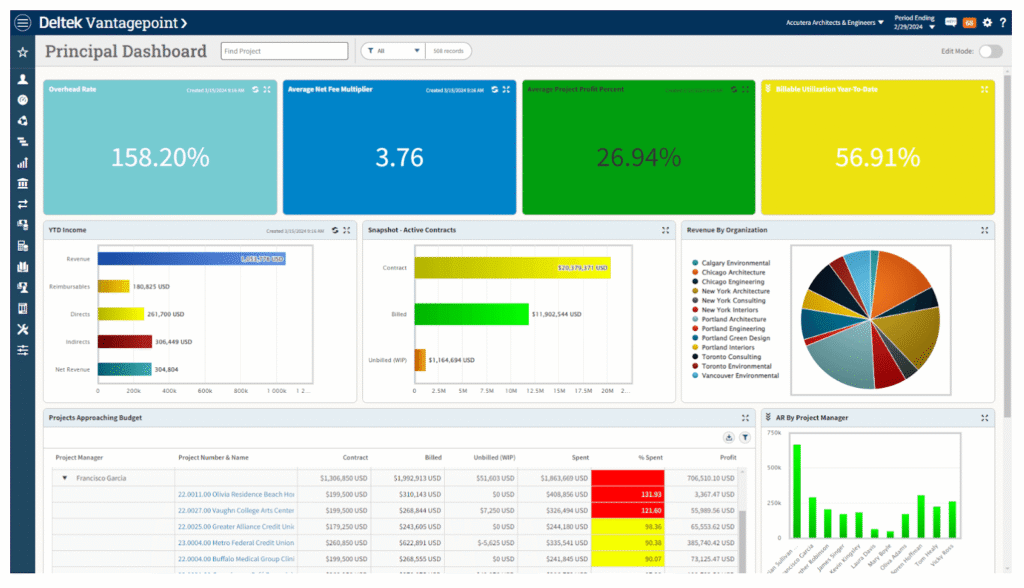
The fix isn’t more pages—it’s better coordination, smarter tools like building commissioning software that integrate with your spec management workflow. Deltek Vantagepoint provides a centralized system where specifications are managed alongside project timelines, budgets, and service contracts. Everyone works from the same up-to-date information, all in one place.
With Vantagepoint, you can:
- Connect specifications to key project data like budgets, schedules, and contracts
- Store documents in a centralized location with version control and role-based access
- Track specification-related tasks and updates throughout the entire project lifecycle
- Share real-time information with project managers, team members, and stakeholders to keep everyone aligned
No more confusion over which version was approved or scrambling to find documents across email threads. With Vantagepoint, your team stays in sync and your specifications stay accurate.
Bottom line: Writing good specifications is only part of the equation. Managing them in context with the rest of your project is what keeps things on track. Deltek Vantagepoint makes that possible.
Conclusion on Building Specifications
If you want better outcomes in the field, start with better specs.
Construction specifications aren’t just for the lawyers or the city inspector. They’re the bridge between concept and execution. When written well, they reduce risk, shorten timelines, and support a more predictable construction process. Pair great specs with a well-defined commissioning process and you’ll slash rework while boosting owner satisfaction.
Put in the time up front. Use the right tools. Involve the right people. And stop treating specs like an afterthought—they might just be the most important document on the job.
Key Takeaways
- Building specifications define the materials, methods, and standards for construction projects.
- The three main types of specs are performance, prescriptive, and proprietary.
- Good specs reduce rework, RFIs, and change orders.
- Involving field teams and using the right tools (like Deltek Vantagepoint) improves quality and consistency.
- Specifications should evolve with the design and stay connected to the broader project plan.
Frequently Asked Questions
What are examples of specifications?
Examples include a performance spec stating, “Roofing system must withstand 90 mph wind,” or a prescriptive spec saying, “Install Owens Corning R-30 fiberglass insulation.”
How to write a building specification?
Start early in the design process. Reference up-to-date codes and testing requirements. Write clear execution procedures. Confirm alignment with the drawings. Avoid brand names unless using proprietary specs.
What is the difference between a building code and a building specification?
A building code is a mandatory regulation set by authorities. A building specification is a project-specific requirement created by the design or construction team. Specs often reference codes to show compliance.